Elizabeth Packard: Silenced for Speaking Her Truth

"I was never mad, just changing." Elizabeth Packard

Elizabeth Packard’s story is a shocking, heartbreaking, and ultimately inspiring testament to what women have endured and what we continue to fight for.
It is the story of courage in the face of oppression, a story that echoes the mission of The Dangerous Age: reclaiming power, voice, and autonomy in midlife.
Born in 1816 in Massachusetts, Elizabeth was a fiercely intelligent and independent woman. She questioned norms, challenged authority, and refused to live quietly in the shadow of societal expectations.
In 1842, she married Theodore Packard, a Calvinist minister. While outwardly respectable, Theodore had rigid ideas about what a woman should be, obedient, quiet, and submissive.
As Elizabeth entered her thirties and forties, her independence became increasingly intolerable to her husband. She spoke her mind, expressed opinions, and challenged him on matters of religion and morality.

In 1860, he declared her insane.
Without a trial, without due process, and without a diagnosis of any mental illness, Elizabeth was committed to an Illinois state asylum.
She had committed no crime, except asserting her autonomy and refusing to conform to the restrictive roles assigned to women.
Inside the asylum, Elizabeth saw the horrifying reality for women at that time: independence, dissent, and even natural changes of midlife were treated as symptoms of hysteria.
Women were silenced, controlled, and stripped of their freedom, often at the whim of a husband or male authority figure.
But Elizabeth refused to be broken.

She petitioned the Illinois legislature, fought tirelessly for her release, and after three years in confinement, she finally regained her freedom.
And then, she transformed her personal struggle into a lifelong mission.
Elizabeth became a powerful advocate for women’s rights. She published books and lectured extensively, exposing the systemic abuses of women in asylums.
She fought for laws requiring public hearings before women could be institutionalized, ensuring women could no longer be locked away merely for speaking their minds.
She also advocated for women to retain legal custody of their children, challenging the societal notion that men were the only legitimate authority in a family.
Elizabeth Packard’s story is both heartbreaking and inspiring:
Heartbreaking because society once treated women’s natural expression, independence, and hormonal changes as a crime or mental illness.
Inspiring because she turned personal oppression into a mission to protect other women, to give voice to the silenced, and to create real systemic change.
Her legacy is clear: the system may try to silence us, pathologize us, or lock us away, but
our truth, our voices, and our power cannot be contained.
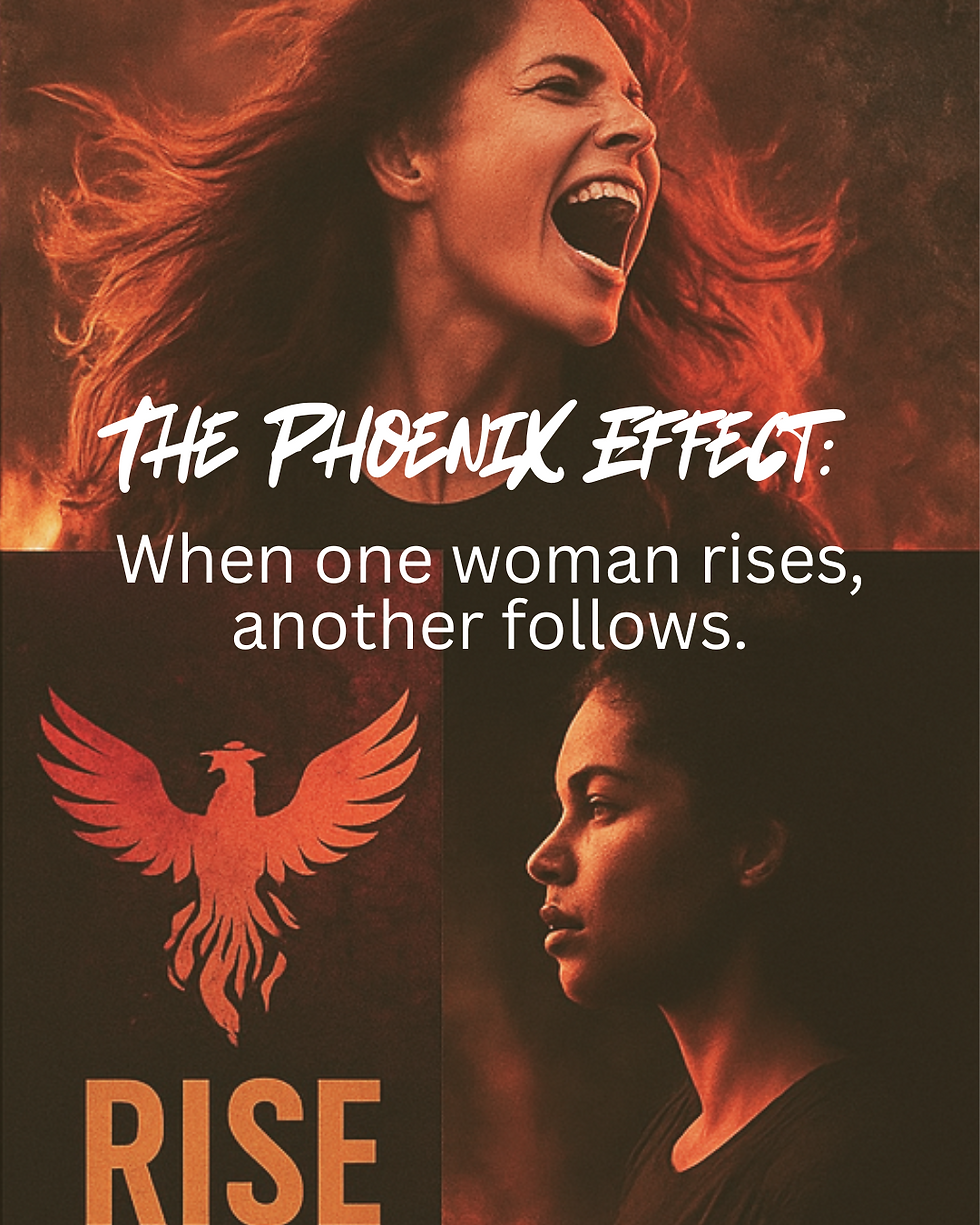
In her honor, we rise.
We share our stories.
We rewrite what midlife and menopause can mean.
We reclaim our power, our autonomy, and our dignity.
Elizabeth Packard reminds us that midlife is not a time of decline, invisibility, or shame, it is a time to stand tall, speak boldly, and live unapologetically.
🔥 Join the rebellion.
Become a Phoenix.
Step into The Dangerous Age where stories like Elizabeth’s are honoured, and women rise together.


Comments